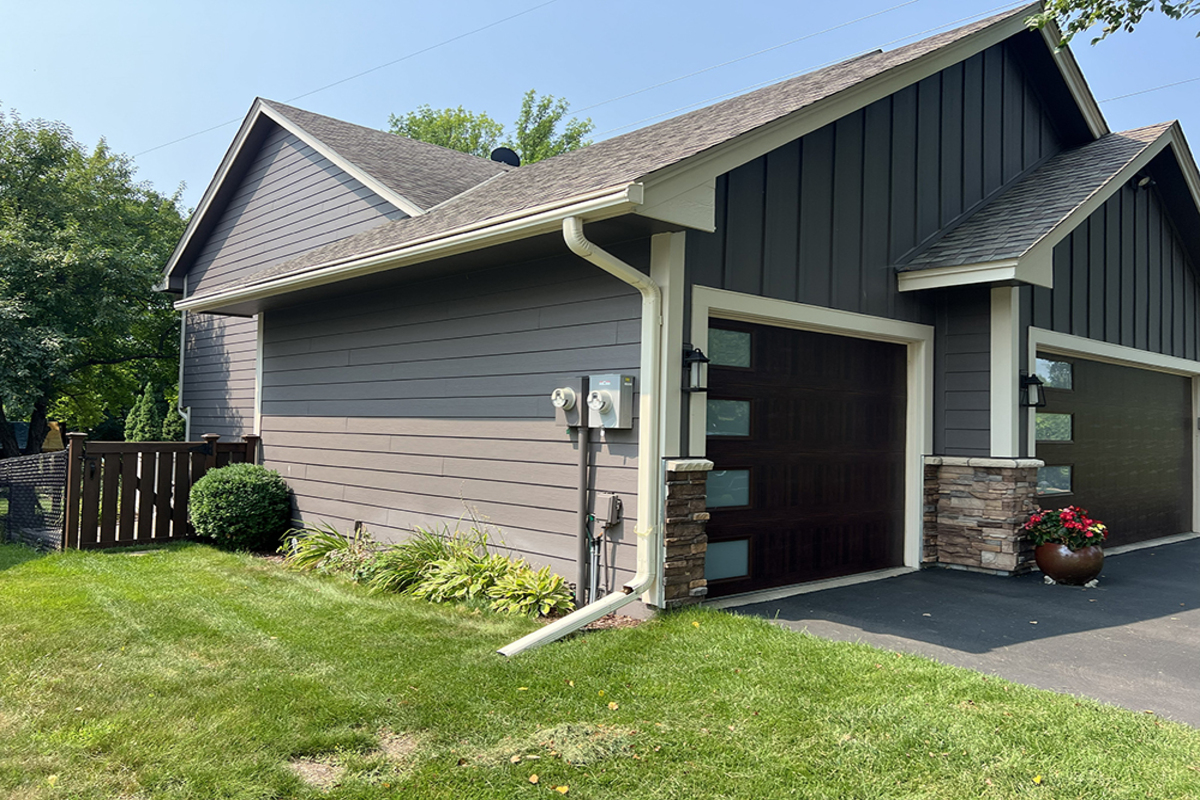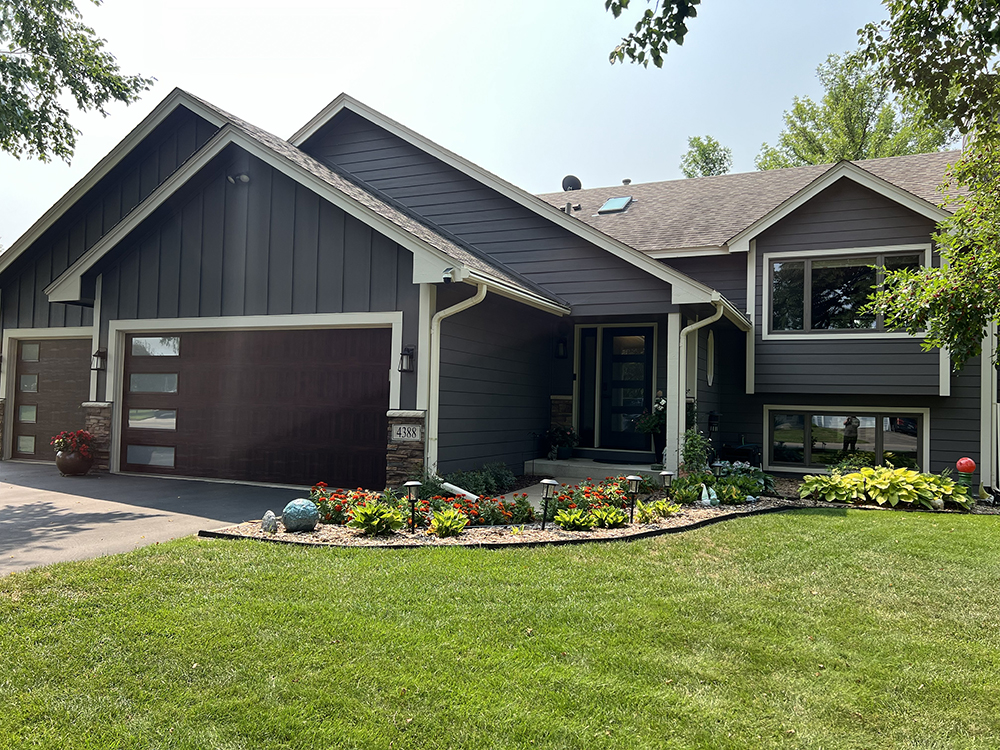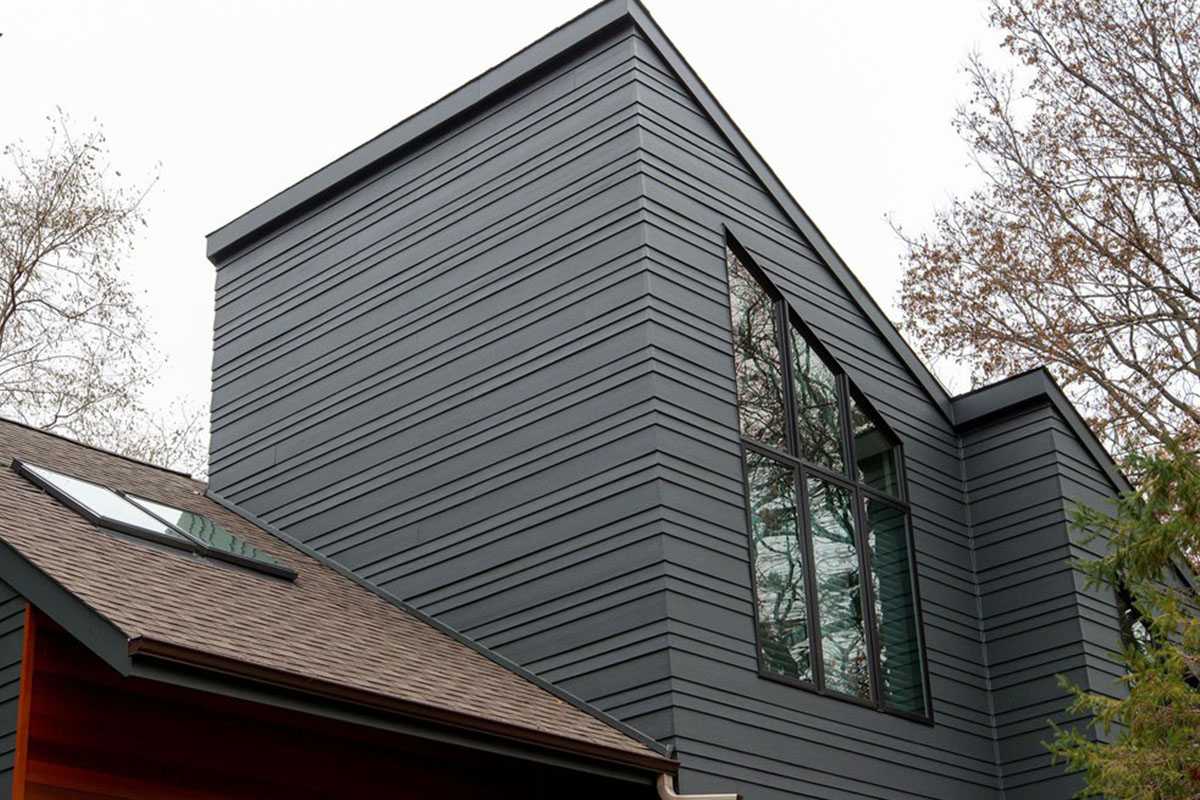
An exterior home remodel can go sideways fast when the work is done in the wrong order. Windows, siding, trim, and roofing all connect to each other, so one early decision can create extra labor, added cost, and water management problems later. We help homeowners plan the sequence before demo starts. That gives the project a cleaner path, reduces redo work, and helps each phase support the next one.
Why Project Sequence Matters in an Exterior Home Remodel
Exterior Systems Work Together
Your exterior is not a group of separate parts. Windows, siding, trim, fascia, and roofing overlap, and each trade affects the work that comes after it. If the order is off, crews may need to remove finished work, redo transitions, or patch details that should have been planned from the start.
That is why sequence matters. A clear plan helps protect the home while the work moves forward and helps the finished project look more consistent.
Poor Timing Creates Rework
Most redo work starts when one phase is completed without thinking through the next phase. A window project can create extra siding work later. Roofing can create fascia alignment issues if siding details are still changing. Even small decisions around trim and flashing can turn into larger problems once the next crew arrives.
When the order makes sense, the job moves more smoothly, and the finished exterior performs better over time.
The Best Order for Exterior Work
Best-Case Option: Do Everything at Once
The most efficient approach is usually to complete the full exterior project in one coordinated sequence. That allows us to remove old siding, install or update the wrap, complete the windows, and handle flashing and trim as one connected system.
This approach usually gives homeowners:
- Better access for crews
- Fewer interruptions between trades
- Less duplicate labor
- Cleaner finished transitions
It also makes it easier to tie everything together the right way from the start.
When Phasing Makes More Sense
A full project is not always realistic from a budget standpoint. When homeowners phase the work, we still want each phase to support the final plan instead of creating extra work later.
In most cases, the best phased order is:
- Windows
- Siding
- Roof
That sequence helps protect the wall system and reduces the chances of tearing into finished work later.
Key Takeaway: If you are not doing the full project at once, the smartest sequence is usually windows first, siding second, and roof last.
Why Windows Usually Come First
Window Work Affects Siding and Trim
If windows are part of the scope, they usually make the most sense as the first major phase. That is because window installation affects trim details, flashing, and how the future siding will tie into the opening.
If you already know you plan to install James Hardie siding later, we can prepare for that during the window phase. That may include cutting the siding back, handling the tape and flashing correctly, and using trim details that will work with the future siding installation.
That planning helps avoid rework when the siding phase begins.
Good Prep Makes the Next Phase Easier
When the window phase is done with the future siding plan in mind, the next crew can move forward without undoing earlier work. The trim is already in place, the wrap and flashing details are set up correctly, and the siding can be installed to match the finished openings.
That saves labor and helps the exterior come together more cleanly.
Why Roofing Usually Comes Last
Soffit and Fascia Details Matter
Roof timing matters more than many homeowners expect. If siding and fascia details are still changing, roofing too early can create alignment issues at the roof edge.
We usually want the roof installed after the siding work is finished, especially when soffit and fascia are part of the project. That helps the fascia profile line up correctly with the final shingle overhang and reduces the chances of later adjustments.
Need help planning your exterior home remodel? Contact Craftsman’s Choice to build the right sequence before work begins.
What To Decide Before Demo Starts
Make the Big Decisions Early
Before materials start coming off the house, homeowners should have a clear idea of:
- What is included in the current phase
- What is planned for later
- What siding system will be used
- What trim direction will be used
- Whether soffit and fascia will change before roofing
You do not need every finish detail finalized on day one, but the major trade-to-trade decisions should be clear before demolition begins.
Plan the Project Before the Work Starts
The right sequence can save time, protect important flashing and trim details, and help you avoid paying twice for the same work. In most cases, that means doing everything at once when possible or following a phased plan that starts with windows, moves to siding, and finishes with roofing.
If you are planning an exterior home remodel, contact Craftsman’s Choice today. We help homeowners map out the scope, sequence the work correctly, and move the project forward with less rework and better long-term results.