Minnesota siding has to handle big temperature swings and constant freeze–thaw stress. When a material expands and contracts too much, it can crack, loosen, and break down faster in cold weather. That is why the best siding for homes in harsh MN weather starts with one requirement: choose a material that stays stable across Minnesota’s temperature range. We work with Minnesota’s climate and can help you in choosing what works best for your needs.
Why Minnesota’s Climate Demands Durable Siding
Minnesota’s freeze–thaw cycle puts repeated stress on exterior materials. The issue is not just cold temperatures. It is the constant shifting that forces siding to move again and again. The right material holds up to that movement without failing early.
Freeze–Thaw Cycles Create Constant Expansion and Contraction
As temperatures rise and fall, siding materials move. Over time, repeated movement can stress seams and joints. In Minnesota, that cycle happens often enough that material stability becomes one of the most important performance factors.
Extreme Temperature Swings Expose Weak Materials Faster
A siding product that performs well in milder climates can struggle in Minnesota. The more a material moves, the more likely you are to see cracking or early wear when winter conditions hit.
Why Vinyl Siding Does Not Perform Well in Minnesota Winters
Vinyl siding expands and contracts, and it tends to crack in cold weather. That movement makes it less reliable in a climate with sharp temperature shifts.
Cold Weather Increases the Risk of Cracking
In low temperatures, vinyl can become more brittle. When the material moves and stresses build up, cracking becomes more likely, especially after repeated cold swings.
Vinyl Needs Mid-Range Install Temperatures
Vinyl should be installed at the mid-range of your climate so it can expand and contract correctly after installation. In Minnesota, that mid-range is about 40 degrees. The challenge is that Minnesota does not have many 40-degree days, which can make it harder to consistently install vinyl under ideal conditions.
Need expert help with choosing the best siding for your home? Contact Craftsman’s Choice for a free consultation.
Why Engineered Wood Has Similar Expansion and Contraction Limits
Engineered wood has similar restrictions on expansion and contraction because it is wood. In Minnesota, repeated temperature swings can increase the risk of movement-related performance issues.
Even when engineered, wood materials respond to climate conditions. In a freeze–thaw environment, that movement can become a durability concern if the product is not well suited to Minnesota’s temperature range.
Why James Hardie Fiber Cement is the Best Fit for Harsh MN Weather
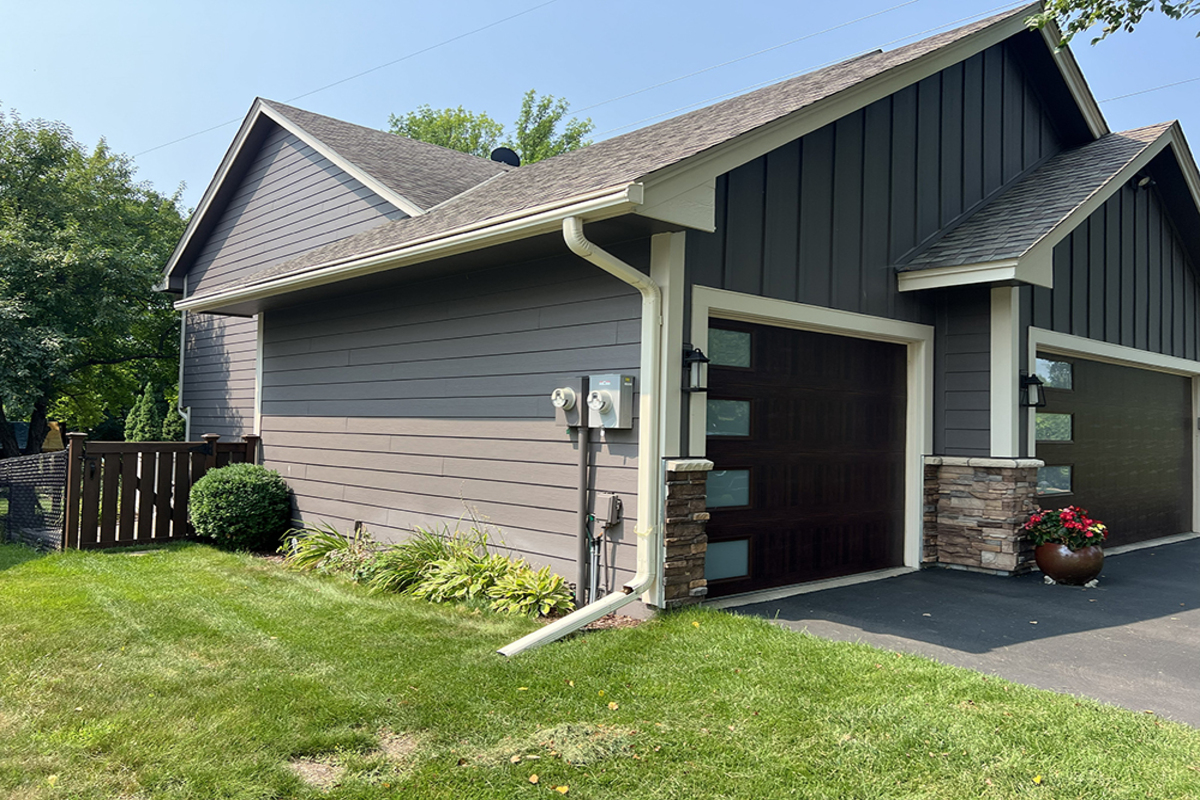
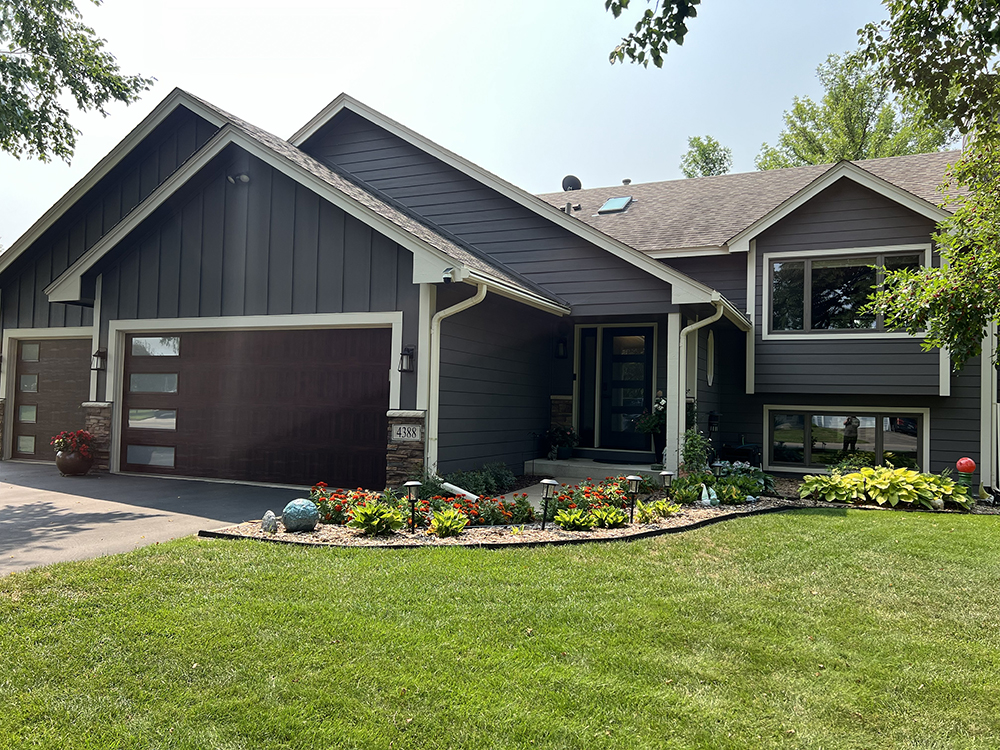
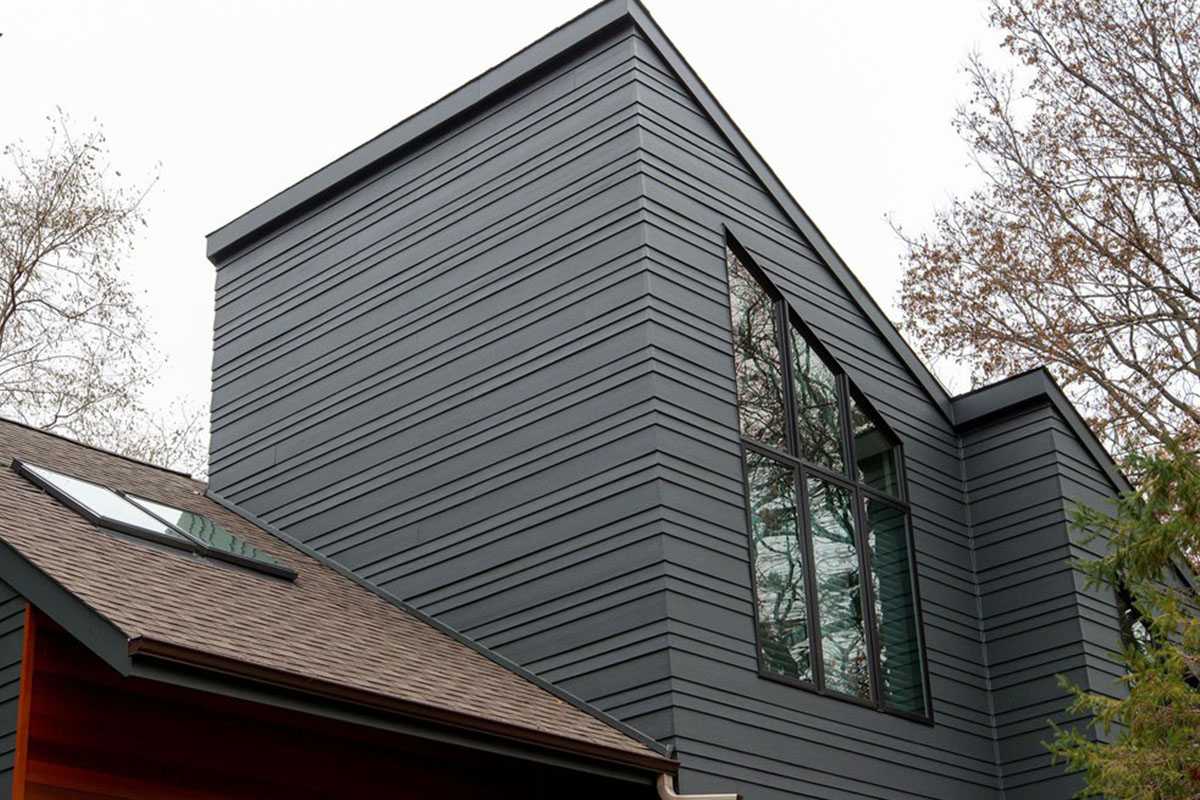
When you want siding that holds steady in freeze–thaw conditions, fiber cement is the stronger option. James Hardie fiber cement performs better in Minnesota because it is made of cement. It does not expand and contract at the same rate as vinyl or engineered wood. That stability is a major advantage in a climate driven by freeze–thaw stress.
Because fiber cement moves less, it is better suited for climates where expansion and contraction can cause problems. That stability supports long-term performance in harsh seasonal conditions.
James Hardie ColorPlus Technology and the Factory Finish Advantage
James Hardie also offers prefinished colors through ColorPlus technology. The factory applies an industrial coating process that you cannot duplicate with field painting. That gives homeowners a consistent, durable finish option right from the start.
Field painting cannot replicate the same industrial coating process used at the factory. For homeowners who want a reliable, consistent finish, ColorPlus adds another practical advantage.
The Smart Siding Choice in Minnesota
The best siding for homes in harsh MN weather is the option that stays stable through extreme temperature swings. Vinyl and engineered wood move more with expansion and contraction, which can lead to cracking and performance issues in cold conditions. James Hardie fiber cement stands out because it is cement-based, moves less, and offers a factory-finished ColorPlus option.
If you want help choosing the right James Hardie siding for your Minnesota home, contact us at Craftsman’s Choice.